


Biological pesticide production process from A to Z
15-08-2025 633
The process of producing biological pesticides has become a sustainable solution, bringing outstanding efficiency in controlling pests while ensuring safety for humans and the ecosystem. So how is this process carried out? Let’s find out the details with Intechvietnam in the article below.
Mục lục
What are biological pesticides?
Biological pesticides are preparations produced from biological sources. These preparations are created by culturing on different nutrient media through manual, semi-industrial or industrial fermentation methods. The result is high-quality products that can protect agricultural and forestry crops from pests and diseases.
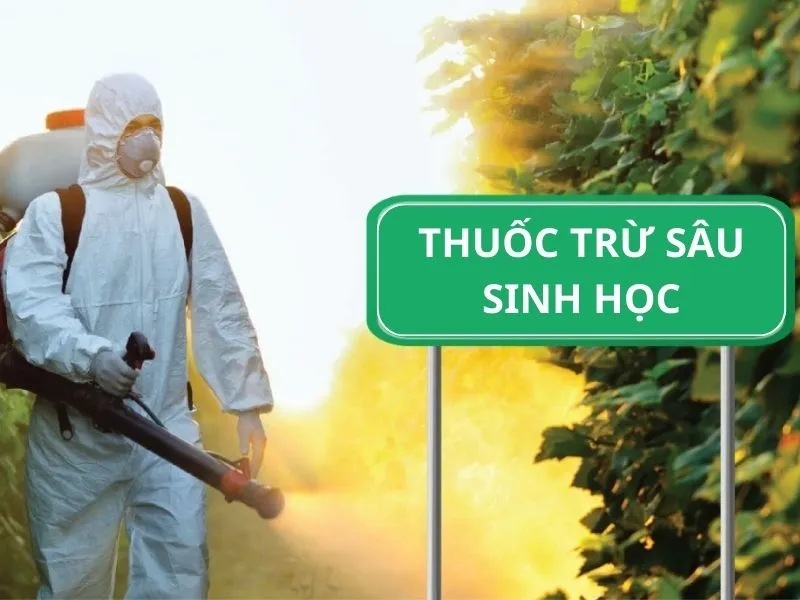
Biological pesticides are divided into 4 main groups:
- Microorganisms: Including living microorganisms such as fungi, bacteria, viruses, or nematodes, often existing in the form of spores or cysts. When conditions are suitable, they develop and parasitize the host, destroying pests and diseases. For example: BT pesticides, Trichoderma fungi...
- Toxin and antibiotic group: Biological products are created from the process of culturing microorganisms, containing toxic substances (toxins) or affecting cell activity (antibiotics). For example: Kasugamycin, Streptomycin (antibiotics); Avermectin, Spinosad (toxins).
- Herbal group: Preparations extracted from plants, highly effective and rich in raw materials. For example: tobacco, garlic powder, saponin...
- Other biological group: Including preparations produced from biological sources such as shrimp and crab shells (chitosan), amino acids from protein hydrolysis, or mineral oil.
These products are increasingly widely used due to their environmental friendliness and effective pest control ability.
Advantages and disadvantages of biological pesticides
Some advantages and disadvantages of this type of pesticide you need to pay attention to:
- Advantages of biological pesticides:
- Effective in controlling pests and harmful insects without causing negative impacts on crops.
- Helps crops absorb nutrients better, contributing to improving the yield and quality of agricultural products.
- Does not damage the soil structure, does not cause soil hardening or degradation, but also improves soil fertility.
- Ensures safety for human health, livestock and crops, while maintaining the balance of the ecosystem.
- Microbiological drugs have long-term effects, not only destroying current pests but also affecting the next generation.
- When used properly, in accordance with climatic and technical conditions, the drug is highly effective.
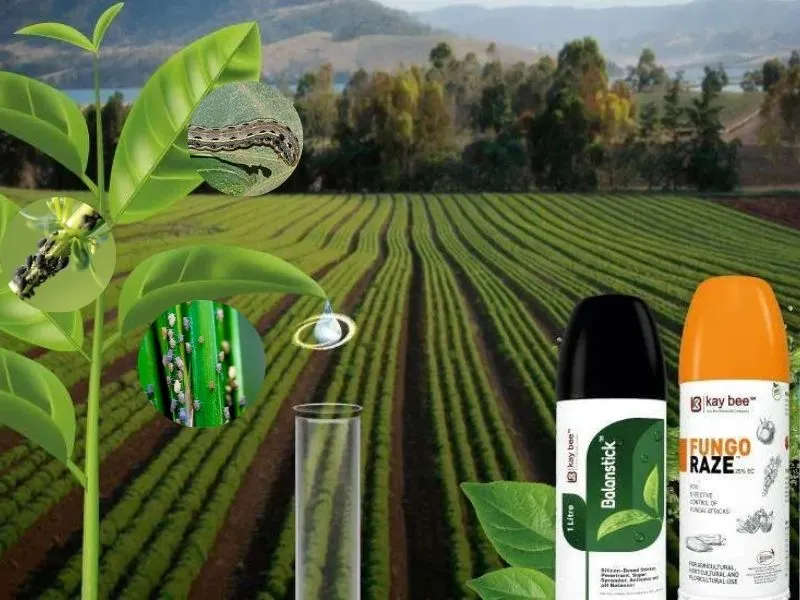
- Disadvantages of biological pesticides
- The effect of killing pests is slower than that of chemical drugs because it takes time to take effect.
- Requires careful preservation and stricter storage conditions.
- High cost and long-term effect, making the effect not immediately visible, limiting the popularity in large-scale production.
Biological pesticide production process
Production process of some common pesticides
- Biological pesticide production process from viruses

Step 1: Cultivation and propagation of larvae
The larvae are nurtured and propagated to the pupal stage. After transforming into pupae, they are paired to reproduce. The collected eggs will be carefully preserved until they hatch into larvae.
Step 2: Inoculation of the virus into the larvae
The virus is introduced into the environment to enter the larvae through the digestive tract, starting the infection process.
Step 3: Crushing, filtering and centrifuging
The larvae infected with the virus are collected, crushed, then filtered and centrifuged to obtain the initial product.
Step 4: Mixing
The obtained raw materials are dried and combined with a carrier. The product will then undergo quality testing to ensure safety criteria, not harmful to humans and pets.
Step 5: Packaging
After completion, the pesticide product is packaged using specialized machinery. Storage must be carried out under suitable conditions to ensure product quality.
Biological pesticides from viruses are highly effective in pest control, usually taking 2 to 5 days to kill pests. When pests are killed, the virus continues to spread to other pests, helping to save costs and improve efficiency for farmers.
- High-tech BT biological pesticide production process
The process of manufacturing biological pesticides from Bacillus Thuringiensis (BT) bacteria is carried out through the following steps:
Step 1: Prepare bacterial strains
Level 1 bacteria are selected, uncontaminated, and stored at 5°C for 3 days.
Step 2: Increase bacterial biomass on T3 medium
- Bacteria are cultured in T3 medium containing ingredients such as MnCl2, Na2HPO4, NaH2PO4, yeast extract, tryptone, and distilled water (pH=7).
- The medium is sterilized at 121°C for 20 minutes.
- BT bacteria are inoculated into a conical flask, shaken for 36 hours, then the density is counted and spores are observed under a microscope.
Step 3: Cultivation of bacteria in liquid medium
- MT3 medium consisting of peptone, glucose, and minerals is prepared for bacterial culture.
- Bacteria from step 2 are added to MT3 medium at a density of 10⁷ CFU/mL and shaken at 30-35°C for 48 hours.
- The liquid containing bacteria is collected and spores are examined under a microscope.
Step 4: Increase biomass on semi-solid medium
- BT bacteria from liquid medium are transferred to semi-solid medium with pH 7-8, humidity 50%, and incubated for 60 hours.
- During incubation, check and stir the medium after 12 hours.
- At the end of the process, semi-solid biomass is collected, checked for bacterial density, spores and toxic crystals.
Step 5: Drying bacterial biomass
The biomass is poured into trays, sterilized with UV rays, and dried by a machine with a capacity of 20kg/time for 4 days.
Step 6: Grinding biomass
After drying, the biomass is ground in a clean room with a high-capacity grinder. Then check the density of bacteria, spores and toxic crystals under a microscope.
Step 7: Mixing additives
The bacterial biomass is mixed evenly with additives according to the prescribed formula for 2-4 hours to achieve a complete preparation.
Step 8: Packaging and storage
The finished product is packaged by specialized machinery, then stored according to the safety standards of the enterprise. Note, it should not be stored for more than 3 months.
This process ensures the production of BT pesticides to high standards, often applied in enterprises with large scale and modern production lines.
- Process of producing biological pesticides from Neem herbs
The process of manufacturing biological pesticides from Neem trees is carried out through the following main steps:
Step 1: Pressing Neem leaves
Fresh Neem leaves are pressed by a specialized machine at a temperature not exceeding 35°C, at a speed of 60-80 rpm. The pressing process is repeated 3 to 5 times to optimize the amount of extract.
Step 2: Filtering and processing the extract
The extract obtained through the pressing process is filtered through a mesh to remove the leaf residue. After filtration, the solution is allowed to settle for 2 hours, then the supernatant is collected and transferred to the treatment system. Here, the solution is concentrated for about 1-3 hours at a temperature of 45°C to 75°C, a pressure of 700 mmHg, and a speed of 28 rpm.
Step 3: Packaging and storage
The concentrated Neem solution is packaged in dark glass bottles at a ratio of 1 gram/liter. During storage, monitor the changes in viscosity and pH at different temperatures (10-20°C, 20-30°C...) to ensure product quality.
This process helps to maximize the use of natural compounds from the Neem tree, bringing high efficiency in the production of environmentally friendly biological pesticides.
Application of machinery in the biological pesticide production process
In the production of biological pesticides, many types of specialized machinery are used to ensure that the production process is efficient, stable and of high quality. The specific role of each device is analyzed as follows:

- 4-roll crusher: Helps to crush raw materials when passing through the narrow gap between the two shafts, ensuring uniform size, increasing the ability to extract or contact during the production process.
- Automatic conveyor: Transports raw materials from one machine to another, helping the steps in the chain to operate continuously, reducing time and manual operation effort.
- Neutralizing - mixing pot: Used to mix raw materials into a homogeneous mixture, ensuring that the active ingredients are evenly distributed before being put into the next steps.
- Plate sterilizer: Plays an important role in eliminating unwanted microorganisms and coagulating some unnecessary compounds. This equipment helps protect the culture environment, ensuring that beneficial microorganisms grow smoothly.
- Submerged fermenter: Is a specialized environment for culturing microorganisms, fungi, or plant cells. This equipment creates optimal conditions for temperature, humidity, and pH for microorganisms to thrive and produce biologically active substances.
- Ultrafiltration equipment: Helps remove residue and impurities remaining in the product after the rough processing process, ensuring that the solution reaches high purity before concentrating or packaging.
- Disc centrifuge: Uses large centrifugal force to completely separate the fine part from the residue after the rough filtration stage. This machine is very important in obtaining high-quality biologically active compounds.
- Bottling equipment: Used in the stage of filling and packaging the final product. This equipment ensures that the pesticide solution is sealed in bottles, maintaining quality and convenient for distribution and storage.
These machines not only ensure the production of standard biological pesticides but also help increase efficiency, reduce labor costs and optimize product quality. It can be seen that the production process of biological pesticides is not only a combination of modern technology and natural raw materials but also requires precision and strict control in each stage. With outstanding benefits, this product is gradually affirming its important role in improving the efficiency of sustainable agricultural production. Hopefully, this article has helped you better understand the production process and the value of biological pesticides in future agriculture.
