


Bottled Water Production Process: What You Need to Know
15-08-2025 2.281
Bottled water is increasingly becoming an essential need in modern life thanks to its convenience and safety for health. The bottled water production process must go through many stages to create a quality product that meets standards.
Mục lục
Join us to explore in detail the important steps in the production process, from selecting the water source to bottling the finished product, meeting all hygiene and food safety standards through the article below.
What is the definition of bottled water?
Bottled water is water that has been treated and packaged in bottles or jars for consumption. This water is usually taken from natural water sources such as groundwater, spring water, or tap water, then goes through processing stages to remove impurities, bacteria, and toxic substances, ensuring safety for the health of users.
After processing, the water will be poured into bottles with a volume of 550ml, 350ml or 1 liter, .. Then it is sealed and distributed to the market for consumption.
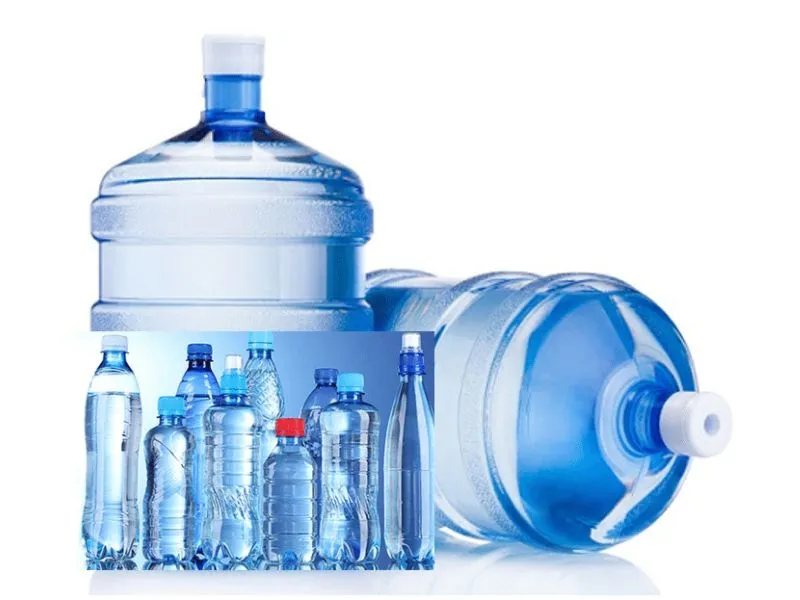
According to Masan, the bottled water market in Vietnam reached a value of VND17.5 trillion in 2021 and is forecast to continue to grow strongly in the short and medium term. The main reason is the decline in water quality in some areas, leading to an increasing demand for clean and safe drinking water. In addition, population growth and rapid urbanization have left many people lacking clean water. These factors are creating positive prospects for the development of the bottled water market.
Currently, there are many brands producing bottled purified water such as Aquafina, Dasani, with prices ranging from VND4,500 to VND75,000, depending on the brand and capacity. In addition, large water bottles (about 20 liters) are also popular, with prices ranging from VND15,000 to VND25,000 per exchange.
Standard bottled water production process
Step 1. Choose a water source
Based on the production scale, investors choose a suitable water source. For small facilities, tap water is often used, while for large factories, groundwater is the optimal choice because it has stable quality and lower treatment costs.
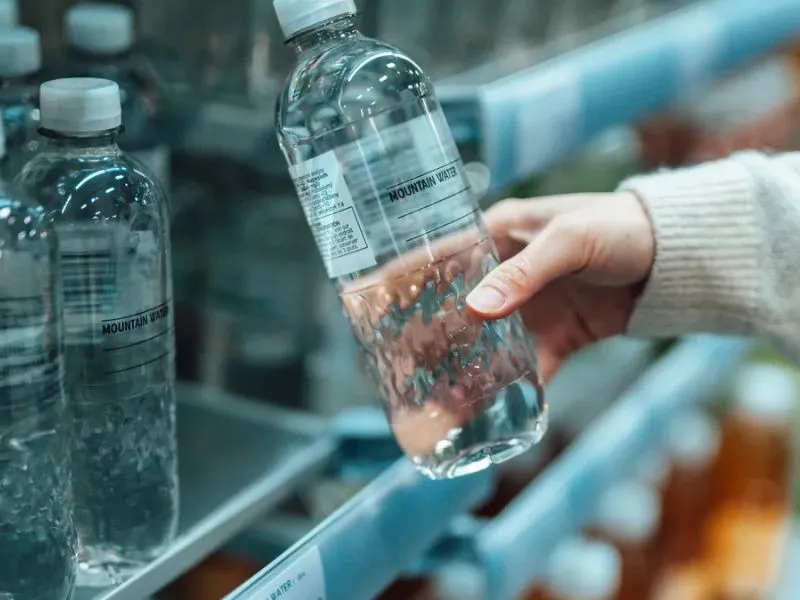
When choosing a water source, manufacturers need to carry out strict testing steps to ensure that the water does not contain harmful impurities or bacteria. This often includes collecting water samples and sending them to professional laboratories for analysis. During this stage, technicians will conduct a variety of tests such as pH, mineral concentration, microorganisms and even taste, etc.
Step 2. Filter water
After exploiting water, the next step is to filter to remove impurities and dirt. The source filter will initially treat the water, adjusted to suit the properties of the groundwater. After filtration, the water is temporarily stored in a tank to prepare for the next steps.
There are many types of filtration equipment used, from sand filters to sophisticated filtration systems with ultra-fine membranes. Each device has its own task, but they all work with the goal of creating the cleanest water possible.
Step 3. Metal removal
The groundwater needs to be treated to remove metals such as iron and manganese. When the water meets the required quality, it will be transferred to the next step; if it does not meet the standard, the treatment process will continue until it is completely free of metals.
Step 4. Water softening and demineralization
The next process is to soften the water and remove minerals through an ion exchange system, which helps the water no longer contain positive and negative ions. After treatment, the water will be transferred to a storage tank to wait for the next step.
Step 5. Deodorization, color and pH adjustment
To remove coarse sediment, odor and color, the water will be filtered through automatic flushing filters with multiple layers of materials. Then, the pH will be balanced to neutral (6.5 - 7.5) to protect the RO membrane system and increase the life of the filter system.
Step 6. Fine filtration with Nano membrane or reverse osmosis
The water will be filtered through a reverse osmosis (RO) membrane, where the water is pumped under high pressure and filtered through extremely small holes, allowing only pure water to pass through. The water containing impurities will be recovered or discharged. The filtered water that meets the standards will be stored in a sealed tank.
Step 7. Sterilization with ultraviolet rays
Before bottling, the water will be exposed to UV rays to re-sterilize, eliminating bacteria that may arise during storage.
Step 8. Filling and capping
Finally, the water is filled into bottles and capped automatically and is carried out in the following order:
- Washing and sterilizing bottles Plastic or glass bottles are washed and sterilized with purified water and safe chemicals to meet hygiene requirements.
- Filling and capping The purified water will be filled into bottles in a clean, closed and sterile air environment. After filling, the bottles will be capped automatically to avoid contamination.
- Labeling and packaging The water bottles will be labeled, printed with information about the product, origin and production date. Finally, the water is packaged and distributed.
What standards must the bottled water production process comply with?
The bottled water production process must comply with strict standards to ensure quality and safety for consumers. One of the main standards includes:
- The water source used must be carefully inspected to ensure that it does not contain impurities, heavy metals and harmful microorganisms.
- The water filtration and treatment process must comply with standards such as QCVN 6-1:2010/BYT (National technical regulations for natural mineral water and bottled drinking water), and QCVN 01:2009/BYT drinking water quality standards, including removing impurities, balancing pH, and sterilizing with advanced technology such as UV rays and RO membranes.
- The production machinery and equipment system must meet hygiene requirements, be made from safe materials, and not cause cross-contamination of water.
- The bottling and bottling area must be absolutely sterile, avoiding any intrusion of bacteria from the outside environment.
In addition, the bottled packaging must also comply with food safety standards, ensuring that it does not contain toxic substances and maintains the purity of the water throughout the storage and transportation process.
Machinery used in the bottled water production process
- Water pump: Suctions water from the source (groundwater, spring water or tap water) and transports water through the next stages of treatment in the system.
- Rough filtration system: Removes large impurities, dirt and mud in the water in the preliminary stage, making the water cleaner before entering the deeper treatment stages.
- Heavy metal removal system: Removes metals such as iron, manganese and unwanted minerals, ensuring water meets quality standards.
- Fine filtration system (RO or Nano): Uses reverse osmosis membrane technology (RO) or Nano membrane to remove bacteria, viruses, metal ions and extremely small impurities, producing pure water.
- UV sterilizer: Sterilizes with ultraviolet rays, helping to completely eliminate bacteria and harmful microorganisms remaining in the water.
- pH balancing system: Adjusts the pH of the water to neutral (6.5 - 7.5), helping the water meet safety standards and ensure natural flavor.
- Automatic filling machine: Fills water into bottles quickly and accurately, ensuring food hygiene and safety during the filling process.
- Bottle capping machine: Automatically closes the bottle cap, ensuring the cap is completely sealed, preventing bacteria and impurities from entering from the outside.
- Shrink film or packaging machine: Packages products with heat shrink film or arranges bottles in cartons, making it easy to preserve and transport.
- Automatic conveyor belt: Automatically moves water bottles between production stages, saving time and reducing labor costs.
Using modern machinery in the bottled water production process not only ensures that the product meets high quality standards but also improves productivity, optimizes costs and ensures food hygiene and safety.
Strict adherence to the bottled water production process not only ensures high quality products but also helps build consumer trust. From water source treatment, disinfection to final packaging, each stage plays an important role in providing pure, safe and convenient bottles of water.
Strict adherence to the bottled water production process not only ensures high quality products but also helps build consumer trust. From water source treatment, disinfection to final packaging, each stage plays an important role in providing pure, safe and convenient bottles of water.
