


Common CNC machine problems and solutions
18-08-2025 465
A CNC machine is a powerful tool that can help you create your own projects. Knowing how to use it correctly is important so you don’t waste time and money on repairs.
Mục lục
CNC machining is becoming increasingly popular in many manufacturing processes. Computer numerical control machines are a great resource for reducing operating costs and improving the quality of your products.
The idea behind these machines is to take human error out of the equation when creating parts with a large number of features. However, with so many moving parts, some problems can arise that are beyond your control. In this article, we will cover common CNC machine problems and how you can solve them without the expertise of a CNC machine tool operator.
The idea behind these machines is to take human error out of the equation when creating parts with a large number of features. However, with so many moving parts, some problems can arise that are beyond your control. In this article, we will cover common CNC machine problems and how you can solve them without the expertise of a CNC machine tool operator.
What is a CNC Machine?
A CNC machine, or computer numerical control, is a machine that uses a computer to control its functions. CNC machines cut, drill, and mill materials such as wood or metal in three dimensions. They can be found in the aerospace, automotive, construction, medical, and more.
A typical CNC machine consists of an XY table that moves along two axes: left/right (X) and up/down (Y). The table can also tilt, rotate, and pivot around its central axis to allow you to work on curved surfaces if needed.
The most common type of CNC milling machine will have two or three motors driving each axis. This happens when your favorite CAD software program controls it through G-code commands. The signals tell you exactly how far along those axes are at any given time during operation - hence the term "computer numerical control".
CNC machines are used by designers to create prototypes or finished products with less resources. These machine tools are also used by hobbyists who want to build their own projects at home without having to be a CNC machine tool or operator.
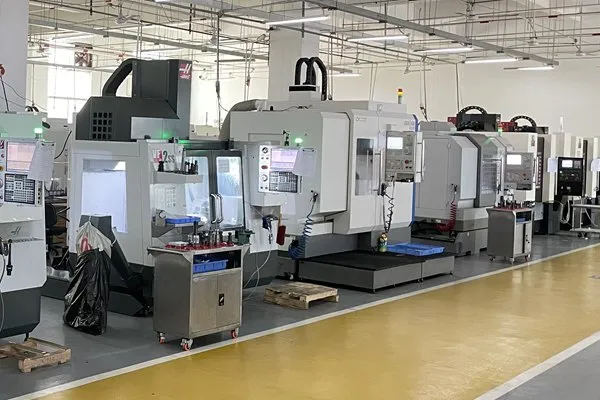
How does CNC machining work?
A CNC machine is a computer-controlled machine tool that uses a programmable controller to automatically move, cut, and manipulate materials.
In this case, the word “computer” does not refer to the device itself, but rather to the tool holder and its ability to calculate and control its movements based on user input.
CNC machines use numerical control (NC) methods to program their operations. These methods involve using a series of codes written into software to tell the machine where to go next so that it can complete the task accurately and efficiently. This is why CNC stands for “computer numerical control.”
CNC machining has become increasingly popular over the years due to its ability to save companies money. This happens when it comes to producing high-quality products at incredible speeds, and the benefits of these cutting tools do not stop there.

7 Common CNC machine problems
Here are some common CNC machine problems and solutions:
1. Mechanical problems
Worn parts can cause a variety of problems with your CNC machine. If you’re experiencing poor performance or your machine isn’t cutting as expected, you’ll probably need to replace some worn parts. You may also want to check for misalignment and improper lubrication issues at this point.
2. Electrical Problems
Electrical problems can cause all sorts of problems with your CNC machine, including faulty wiring, motor problems, or problems with the controller itself (such as incorrect programming code).
Electrical problems can be difficult to diagnose because there are so many different components involved. But they often involve incorrect settings in the software or simply poor wiring practices (like running power cables under high-wear areas).
3. Programming Errors
The most common type of CNC machine failure is programming errors. These errors and machine tool failures can be caused by incorrect tool paths, code, and parameter settings.
Programming errors can cause your machine to crash or stop working, so it's important to know how to fix them if you encounter this problem.
4. Environmental Factors
Environmental factors such as temperature changes, humidity, and dust can affect the performance of your CNC machine. Temperature changes can cause components to expand or contract, which can lead to damage if not properly compensated for during operation.
High humidity can cause condensation to form inside the housing or other parts of the system, which can lead to short circuits or component failure over time (especially relays).
Dust particles on the sensor can interfere with the detection system, causing false signals, which can lead to poor cut quality or even damage to internal components.
5. Poor or improper maintenance
Proper maintenance is important to keep your CNC machine running smoothly and safely. Maintenance should be performed regularly, by a qualified person, at the right time. Over time, dust and dirt can build up on the moving parts of the machine, causing them to wear out faster than normal.
Worn lubricants will increase friction between machine parts (such as gears). This can lead to other problems, such as machine failure such as overheating or motor seizure/failure. This occurs due to excessive pressure on these parts due to poor lubrication during operation.
6. Improper setup or tools
If your CNC machine is not set up correctly, it may not be able to perform its intended functions correctly. This can lead to problems with the quality and accuracy of the workpiece or machine tool and damage or wear of the tooling your machine uses.
If you are having problems with your CNC machine, the first thing to do is check the programming. This can include problems with:
- Incorrect toolpaths (such as cutting too deep or too shallow)
- Incorrect code, such as the carriage moving in the wrong direction or at the wrong speed
- Incorrectly set parameters (such as feed rate)
7. Poor or improper programming
Many problems that arise from poor programming are due to improper setup, such as inaccurate toolpaths or cutting at an angle instead of cutting straight through a piece of material. There may also be issues with speeds that are faster than intended for certain parts of your project.
If this happens, you may need to make adjustments to get everything in place before continuing with any further work on your project.
How to Troubleshoot a CNC machine effectively?
A CNC machine is one of the most important tools in any manufacturing shop. They can make your manufacturing process easier, faster, and more efficient.
However, if you are having problems with your CNC machine tools, it is important to take care of them to ensure everything is running smoothly. If your CNC machine is having problems, here are some tips on how to fix them:
First, use a multimeter to check the power supply. If it is not getting enough voltage, the problem could be caused by anything from a worn fuse to an open circuit breaker.
Next, check that your spindle is properly connected to the power supply, and that there are no damaged wires or cables. If there are no obvious signs of damage, try swapping out the cables for a new set of cables that are known to be good. If this does not solve the problem, try replacing the fuse or resetting the circuit breaker on the circuit board until you find the cause of the problem.
Finally, check that your motor is properly connected to the power source and that there are no damaged wires or cables. If there are no visible signs of damage, try swapping out the cables for a new set that is known to be good.
If this doesn’t solve the problem, try replacing the fuse or resetting the circuit breaker on the circuit board until you figure out what’s causing the problem.
What should you consider when choosing a CNC machine?
That’s right; there’s a lot to consider when choosing a CNC machine. Luckily, we’ve got you covered. Check out our top tips to make sure you get the best deal possible!
- The size of the machine
If you’re looking for something that can handle large projects, bigger is better. But smaller ones will work well if you only need something for smaller jobs and prototypes.
- The type of work it will handle
Let’s say your business only deals in one type of product (like woodworking). In that case, you might want to look for a machine that specializes in milling for that type of work, rather than one that can do everything from sewing to plastics.
- Cost
You want to make sure that you get what you pay for and that your machine will last as long as possible so that any initial investment will pay off in the long run. This means keeping up with maintenance and ensuring that any parts are replaced promptly so they don’t break down later on!
- Budget
When it comes to choosing the right CNC machine, budget is one of the most important factors. If you are on a tight budget, you may have to opt for a low-end machine while if you have the money at your disposal, you can opt for a high-end model.
- Machine Features
If you are looking to buy a CNC machine, it is important that you consider all of its features and specifications before making your final decision. The more features that come with a CNC machine tool’s display and its specifications play a major role in determining whether it can meet all your requirements for machining purposes.
- Maintenance
You should also consider how much maintenance your CNC machine will need over time. This will help determine how much you will need to pay for repairs or replacement of parts when they break down due to wear and tear from regular use over time.
Conclusion
A CNC machine is a powerful tool that can help you create your own projects. Knowing how to use it correctly is important so that you don’t waste time and money on repairs. By examining common CNC machine problems and knowing how to fix them, we hope this article has helped you gain a better understanding of this complex world.
