


Comparison of PVC belt and PU belt in conveyor system
20-08-2025 549
Choose PVC conveyor belts for light duty, moderate temperature applications and cost savings Choose PU belts for heavy duty, harsh environments, food handling and demanding performance needs ?
Mục lục
Conveyor belts play a vital role in many industries, efficiently transporting materials from point A to point B. But with so many materials and options available, choosing the right belt can be a daunting task. Two popular options are PVC conveyor belts and PU conveyor belts, each with their own strengths and weaknesses.
So before you get stuck in the dilemma of buying conveyor belts, let’s take a look at their key differences to help you make your choice.
So before you get stuck in the dilemma of buying conveyor belts, let’s take a look at their key differences to help you make your choice.
Materials Used in PVC and PU Belts
PVC (Polyvinyl Chloride): A widely used plastic known for its affordability and durability. PVC belts typically feature a plastic top layer bonded to a synthetic fabric core, usually polyester or nylon. They often have a textured surface for added grip and come in a variety of thicknesses and colors.
PU (Polyurethane): A versatile engineering plastic that offers superior flexibility and abrasion resistance compared to PVC. PU belts feature a smooth surface with internal bearing elements for added strength and a rearward facing webbing for drive attachment. This variety extends to food grade, oil resistant and static dissipative options.
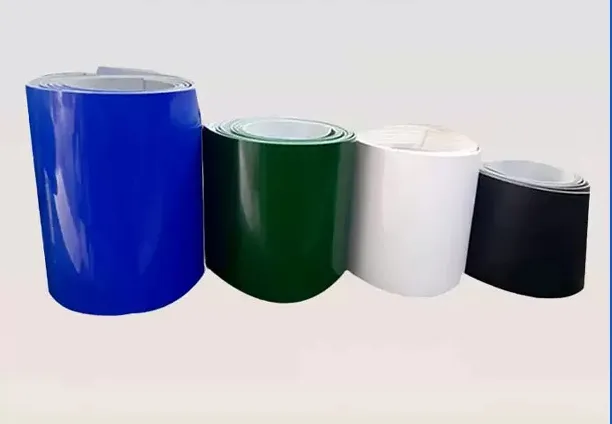
Key features of PVC and PU Belts
PU conveyor belts are very similar to PVC conveyor belts, both are industrial conveyor belts. In fact, their main difference lies in the material. There is no question of good or bad, just whether it is suitable for your industry and the materials you handle. If you are transporting food such as confectionery, noodles, meat, seafood, baked goods… then the top choice is PU conveyor belt. Below we compare the differences between PU belts and PVC belts.
- Flexibility:
PU belts win the bend test! Its high elasticity makes it ideal for tight turns and complex conveyor systems. PVC, although a bit flexible, is better suited for straight runs.
- Abrasion resistance:
PU’s rugged construction offers better abrasion resistance than PVC, making it perfect for heavy-duty applications. PVC is resistant but wears out faster in harsh conditions.
- Oil & chemical resistance:
PU shines again! It excels in environments with oils, greases and mild chemicals, unlike PVC, which can degrade in such conditions.
- Temperature range:
Both materials have their limitations. PVC conveyor belts perform well in moderate temperatures from -10°C to 70°C, while PU offers a wider range from -40°C to 100°C, handling hot and cold environments better.
- Belt Odor
PVC belts have a heavier odor, because PU conveyor belts are made of PU (polyurethane) as their rubber surface, they have no special odor. When in contact with food, they will not produce any special odor.
- Direct contact with food
PVC conveyor belts contain substances that are harmful to the human body, so they should not be in direct contact with food. Transparent PU conveyor belts are clean, suitable for the food industry, can be in direct contact with food, and are resistant to oil, washing, and cutting.
- Durability and load-bearing capacity:
PU boasts higher tensile strength and load-bearing capacity, making it ideal for heavy-duty transportation. PVC is adequate for lighter loads. PU belts are able to withstand heavy loads and sharp objects, making them ideal for use in harsh industrial environments. The high stress and impact resistance built into them means they will last longer between replacements.
- Resilience
Conveyor belts made from polyurethane (PU) can withstand a lot of abuse from things like oils, solvents and acids. This makes them ideal for use in chemical processing and handling areas where hazardous chemicals are handled and handled which pose a risk to workers. Conveyor belts made from polyurethane (PU) are resistant to ultraviolet (UV) radiation, ozone (O3) and high temperatures (HT).
- Green (Environmental Protection)
PU conveyor belts are more environmentally friendly than PVC conveyor belts, because PU (polyurethane) is a naturally biodegradable material and is easily recycled, so they are also known as green materials.
- Cost:
PVC is budget-friendly and affordable, making it ideal for basic applications where cost is a major concern. PU, with its superior properties, comes at a higher price.
PU conveyor belts save money in the long run because they are long lasting and require little maintenance. They are built to last longer than standard conveyor belts, which cuts down on maintenance costs. Their durability also means they can be maintained with minimal effort, saving money on ongoing maintenance of the conveyor system.
- Maintenance:
Both require regular cleaning and inspection, but the seamless construction of PU helps to minimize potential snag points. The textured surface of PVC can trap debris.
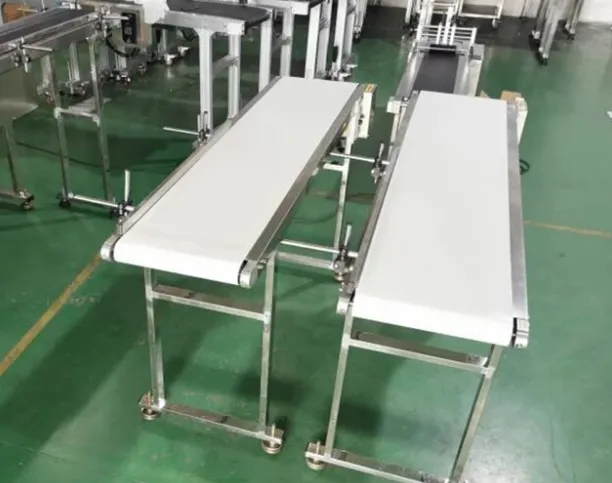
Pros and cons of PVC and PU belts
Here are the pros and cons of using PVC and PU belts
1 - Pros and cons of PVC belts:
- Advantages: Affordable, readily available, good chemical resistance (except acids and alkalis), fire resistant.
- Disadvantages: Not as flexible as PU, limited temperature range, can become brittle over time, not ideal for oily environments.
2 - Advantages and disadvantages of PU belts
- Advantages: High flexibility, excellent abrasion resistance, wide temperature range, grease resistant, food grade options available.
- Disadvantages: More expensive than PVC, can degrade when exposed to UV light, requires specific cleaning methods.
Comparing the applications of PVC, PU belts
- PVC belts: Ideal for PVC conveyor applications that handle light to medium loads in dry environments, such as shipping boxes, textiles or non-abrasive materials. Popular in the packaging, warehousing and recycling industries.
- PU Belting: The right choice for demanding conveyor applications, including heavy loads, abrasive materials, extreme temperatures, oily environments, and hygienic settings. PU conveyor belts are widely used in the food processing, mining, automotive, and chemical industries.
Conclusion
The ideal belt depends on your specific application. Consider factors such as material handling, environmental conditions, budget, and performance requirements. Choose PVC conveyor belts for light-duty, moderate-temperature applications and cost savings. Choose PU belts for heavy-duty, harsh environments, food handling, and demanding performance needs.
Remember, consulting a conveyor belting expert can provide invaluable guidance in making this important decision.
