


Discover the 9 steps in the standard soap production process
15-08-2025 907
Soap is an essential product in daily life with the role of cleaning and protecting the skin. However, not everyone clearly understands the soap production process ?? a process that requires meticulousness and strict adherence to the steps to create quality soap bars.
Mục lục
Let's explore each stage of the soap making process, from raw material preparation to finished product packaging, in the article below.
What are soaps made from?
Soap ingredients include fat, alkali, water, and other additives such as fragrances, colors, or moisturizers.
- Vegetable fats such as coconut oil, olive oil, or animal fats are the main ingredients, providing fatty acids to react with alkali to create soap.
- Alkali such as NaOH or KOH plays an important role in the saponification process, helping to convert fat into soap and glycerin.
- Water is the medium to dissolve alkali and facilitate the reaction.
- Additives such as fragrances provide fragrance, colors create beauty, and moisturizers such as glycerin help increase softness and protect the skin.
The combination of these ingredients creates soap with effective cleaning, antibacterial, and skin care properties.
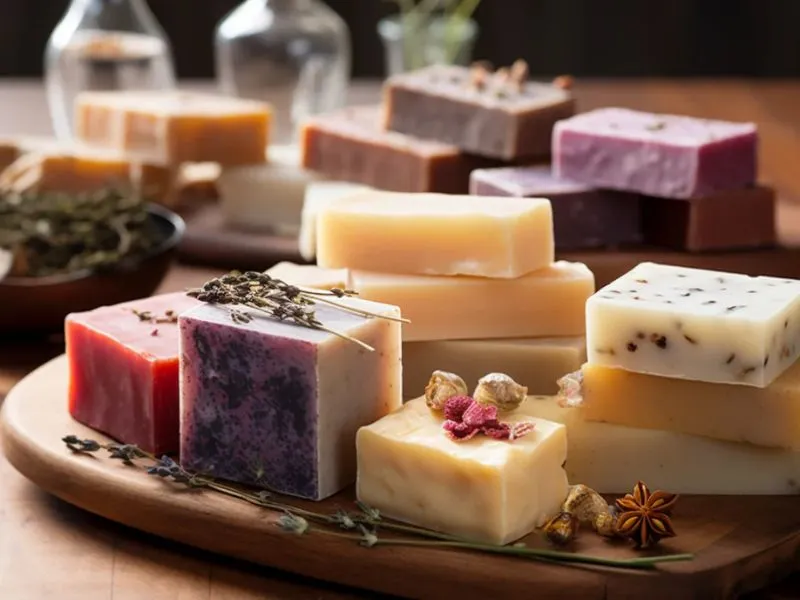
Industrial Soap Production Process
The industrial soap production process goes through 9 basic steps, from the raw material preparation stage to the preservation of the finished product. Each step plays an important role in ensuring the quality, effectiveness and aesthetics of the product.
Step 1. Pre-production preparation
The first stage of the process is to carefully prepare the input factors. The selection of raw materials is extremely important, including fats or oils (affecting the moisturizing properties of soap) and alkalis such as sodium hydroxide, a catalyst for the saponification process.
- These raw materials must be strictly quality controlled to ensure purity and safety.
- The soap formula is calculated with precise proportions to create the desired properties such as hardness, foaming ability and moisturizing.
- The equipment and production space are cleaned and prepared for the production process.

Step 2. Saponification
Saponification is the most important step, where the chemical reaction takes place to form soap. The fat or oil is mixed with lye and heated to the right temperature. During this process, the mixture needs to be carefully monitored to maintain the temperature and control the pH.
Once the mixture reaches the “trace” – a consistency similar to pudding – additional ingredients such as fragrances or colors are added. The reaction is completed after careful inspection to ensure that the mixture has completely transformed into soap.
Step 3. Grinding and Refining
After saponification, the soap mixture is cooled and solidified in a mold or frame to ensure its initial hardness.
- Cooling and Solidification: Initially, the soap mixture needs to be cooled and solidified. This is usually done in a mold or frame where the soap can solidify evenly. The cooling process is important because it determines the initial hardness and texture of the soap.
- Grinding the soap: Once solidified, the soap is passed through a mill. This mill grinds the soap into fine, uniform particles. Milling helps to mix all the ingredients, ensuring a consistent texture throughout the soap. TY Cosmetic uses this milling process in their soap making process to ensure a consistently smooth and high quality product.
- Refining for smoothness: The milled soap is then put through the refining process. This process involves pressing the soap through fine mesh or rollers to further smooth and homogenize the mixture. This step is essential to achieving the desired smoothness and ensuring a premium feel.
- Removing air and moisture: The final part of this stage involves removing any trapped air and excess moisture from the soap. This is usually achieved through vacuum processing or other techniques. Removing air and moisture is crucial to the stability and longevity of the soap, preventing cracking and shrinkage.
Step 4. Add Fragrances and Additives
This stage focuses on improving the functionality and appeal of the soap. Fragrances, such as natural essential oils or synthetic perfumes, are selected based on the target market and skin safety. Additives such as moisturizers, exfoliants or colorants are also added depending on the desired function.
The mixing process must be done carefully to ensure that the fragrances and additives are evenly distributed throughout the soap mass. Finally, the product is safety tested to ensure that it does not cause irritation, especially to sensitive skin.
Step 5. Shaping and Molding
This step gives the soap its final shape before it reaches the consumer. The soap is poured into molds of different shapes and sizes, depending on the design requirements. The pouring of the mixture must be done carefully to avoid air bubbles and ensure a smooth surface.
The soap is then cooled and hardened for several hours to several days. Once hard enough, the soap is removed from the mold and inspected for any imperfections or misshapen shapes.
Step 6. Drying and Finishing
After shaping, the soap needs to go through a drying and finishing process. The soap is placed in a controlled environment with stable temperature and humidity so that the water gradually evaporates. The drying time can last from several weeks to several months depending on the recipe.
During this process, the hardness and pH of the soap are monitored regularly. For some high-end products, this stage is extended to enhance the fragrance and quality of the product.
Step 7. Quality Control
Quality control is an indispensable step to ensure the product meets the highest standards. The soap is inspected for appearance, including color, size, and surface uniformity.
Next, the product is tested for pH to ensure skin safety and performance tests such as foaming and cleaning ability are conducted. Finally, the label and packaging are thoroughly checked to ensure accuracy and transparency.
Step 8. Packaging and Branding
Soap products are packaged in attractive packaging that both protects the product and attracts consumers. Brand elements such as logos, colors, and details are clearly displayed on the packaging to increase brand recognition. In addition, choosing environmentally friendly packaging also helps the brand score points with modern consumers.
- Attractive packaging design: The first step is to design packaging that is both attractive and convenient. According to Manipal Digital, 60% of people make purchasing decisions based on product packaging. This emphasizes the need to choose materials that protect the soap and keep it fresh, while considering the environmental impact.
- Incorporate brand elements: Brand elements such as logos, color schemes, and unique design features are integrated into the packaging. This is important for brand recognition and differentiation in the market. Consistent branding across products helps build brand loyalty and identity.
- Labels with essential information: Labels are affixed to packaging, containing essential information such as ingredients, instructions for use, and any relevant certifications. Accurate and clear labels are not only a regulatory requirement, but also key to consumer trust and satisfaction.
- Eco-friendly packaging options: In response to growing environmental concerns, many brands are opting for eco-friendly packaging solutions. This may include biodegradable materials, minimal packaging, or recyclable components. Eco-friendly packaging resonates with environmentally conscious consumers and reflects a commitment to sustainability.
Step 9. Store the product
The final step is to store the soap in ideal conditions to ensure quality. The product is stored in a cool, dry place away from direct sunlight. Soaps should be placed on shelves with reasonable distances so as not to be affected by mutual odors or damage. Scientific management and arrangement of goods according to production batches will help transport and distribute products more effectively.
Soap production process in the laboratory
To produce soap in the laboratory, the chemicals and tools that need to be prepared include:
- Chemicals: Anhydrous NaOH, alcohol, water and cooking oil.
- Tools: Bowl, stirring spoon, boiling pot and soap mold.
Steps:
- Prepare the solution: Pour 30ml of alcohol into the bowl, add 30ml of water, then add 30g of NaOH and stir until completely dissolved.
- Prepare cooking oil: Heat the cooking oil, then let it cool down to about 30 - 40°C before use.
- Mix the mixture: Slowly pour the cooking oil into the prepared NaOH solution, stirring continuously. You can add fragrance and color to your soap to create a scent and color.
- Molding: When the mixture starts to thicken, transfer it to a mold and let it cool until the soap is completely hardened.
Using machines in the soap making process
- Mixer: Used to mix ingredients such as oil, alkali (NaOH), water and other additives. The machine ensures that the mixture is homogeneous, helping the saponification reaction to take place effectively and stably.
- Reactor: Is an important device to carry out the saponification process. The reactor helps to heat the mixture of oil and alkali at the right temperature, creating favorable conditions for the chemical reaction to take place.
- Grinder: Used to grind and smooth the soap after it has hardened. This process helps to remove coarse particles, creating a uniform and smooth texture for the soap.
- Rolling and pressing machine: Press and roll the soap through rollers to create the desired shape, while helping to smooth and remove air inside, increasing the durability and quality of the product.
- Shaping machine: Shapes the soap into different sizes and shapes through molds. The machine helps to create products with precise and uniform shapes.
- Soap cutter: Used to cut soap into bars or small cakes according to standard sizes. The cutter saves time and ensures product consistency.
- Packaging machine: Packs finished soap into protective packaging, keeping the product clean, avoiding damage and easy to transport. Some packaging machines also integrate the function of printing labels and product information.
- Conveyor: Transports raw materials, semi-finished products or finished products between production stages quickly and efficiently.
Using these types of machines in the soap production process not only improves efficiency but also ensures that the product is of consistent quality, meeting the diverse needs of the market.
The above are details of the soap production process that not only help us evaluate the quality of the product but also open up opportunities to produce safe and effective handmade soap. With steps from raw material preparation, saponification reaction to packaging, this process contributes to creating quality products, meeting the diverse needs of consumers.
