


How to clean conveyor belts quickly and properly
18-08-2025 471
Conveyor belt cleaning is an extremely important step in the production process, especially in the food industry. Cleaning the conveyor belt not only helps ensure food safety but also prolongs the life of the equipment and improves production efficiency.
Mục lục
How to clean conveyor belts? This is an important question to ask because conveyor belts are an essential component of many manufacturing and industrial processes. They transport goods and materials from one point to another, but over time they can become dirty or contaminated. Dirty conveyor belts can lead to quality control issues, product damage, and even safety hazards.
Benefits of Conveyor Belt cleaning
Cleaning conveyor systems is an essential part of any production line, especially in the food processing industry. Thoroughly removing dirt, debris, biofilm, and pathogens not only ensures product quality, prevents cross-contamination, but also helps prolong the life of the system.
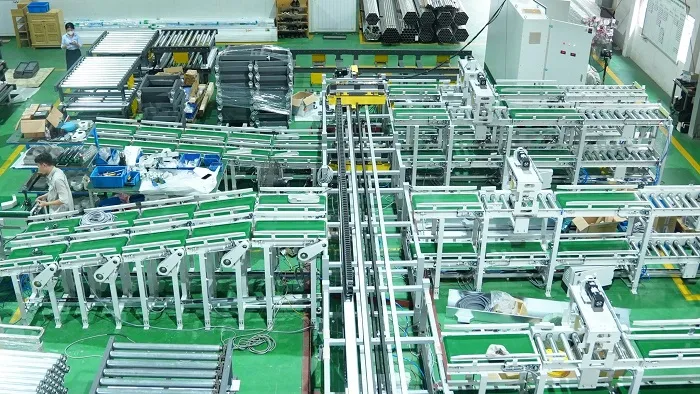
Why is conveyor belt cleaning so important?
- Dirt that sticks to conveyor belts can harbor harmful bacteria, potentially causing food poisoning.
- Debris and dirt that accumulate over time will cause wear and tear on conveyor parts, leading to damage and reduced performance.
- Regular cleaning helps remove impurities, ensuring products are always clean and up to standard.
- Minimize damage incidents, reduce downtime, and improve production efficiency.
Detailed instructions for properly cleaning conveyor systems
Here are some tips on how to clean a conveyor:
1. Turn off the conveyor
Before attempting to clean the conveyor, make sure the conveyor is turned off and locked. This will prevent accidents or injuries from occurring.
2. Remove debris
Using a broom or vacuum cleaner, remove any loose debris from the conveyor. This may include dirt, dust, or other particles.
3. Scrape off any accumulated dirt
If there is any accumulated dirt on the conveyor, you will need to scrape it off with a scraper. This may require some effort, but it is important to remove any build-up of dirt or debris that could contaminate or damage the product.
4. Use a cleaning solution
Apply a cleaning solution to the conveyor. There are many types of cleaning products available, so choose one that is appropriate for your specific conveyor. Be sure to follow the manufacturer's instructions for the cleaning solution.
5. Rinse the conveyor
After using the cleaning solution, rinse the conveyor with clean water. This will remove any debris or remaining cleaning solution.
6. Dry the conveyor
Use a clean, dry cloth or air dryer to completely dry the conveyor. This will prevent water or moisture from affecting the products that will be transported on the conveyor.
7. Inspect the conveyor
After cleaning and drying the conveyor, inspect it for any signs of damage or wear. This will help you identify any potential problems before they become bigger problems.

Factors that affect the effectiveness of conveyor belt cleaning
The effectiveness of the conveyor belt cleaning process depends on many different factors, from the material of the conveyor belt, the type of chemicals used to the frequency of cleaning. Here are some of the main factors that affect this effectiveness:
- Conveyor belt material:
- Conveyor belt material: Each type of material (PVC, PU, rubber...) has different chemical and heat resistance. Choosing the right cleaning chemical is very important.
- Rough surfaces are more prone to dirt and are more difficult to clean than smooth surfaces.
- The protective coating on the conveyor belt surface affects the adhesion of dirt and its chemical resistance.
- Type of cleaning chemical:
- The chemical must be compatible with the conveyor belt material, not corrosive or damaging to the surface.
- Chemicals must be able to remove different types of stains such as grease, protein, sugar, etc.
- Chemicals must ensure safety for users and the environment.
- Cleaning frequency:
- Products with a lot of grease and liquid need to be cleaned more often.
- Wet environments with a lot of dirt need to be cleaned more often.
- Comply with food hygiene and safety regulations.
- Cleaning methods:
- Mechanical cleaning: Using brushes, high-pressure washers.
- Chemical cleaning: Using cleaning chemicals.
- Heat cleaning: Using hot steam to soften and remove stains.
- Cleaning equipment:
- Pressure washers: Help clean quickly and effectively.
- Mist sprayers: Suitable for hard-to-reach areas.
- Cleaning tools: Brooms, brushes, towels, etc.
- Environmental conditions:
- Temperatures that are too high or too low affect the effectiveness of chemicals.
- High humidity increases the chances of bacterial growth.
In short, regular cleaning of the conveyor belt is essential to maintain the efficiency of the conveyor and minimize the risk of contamination or damage. Following the steps above will ensure that your conveyor belt is clean and functioning properly.
