


The Difference Between Logistics Automation and Traditional Logistics
17-08-2025 471
Logistics is the sum of the processes of procurement, storage, transportation, distribution, management, planning, execution and control of materials and products. Logistics automation is revolutionizing the movement of goods globally, thanks to advanced technologies.
Mục lục
Once a slow adopter of innovation, the logistics industry is now rapidly embracing digital transformation, driven by the rise of e-commerce. This shift has made automation a necessity, not just a trend.
In this blog, we’ll cover why e-logistics is the future and how you can get started.
In this blog, we’ll cover why e-logistics is the future and how you can get started.
What is Traditional Logistics?
Traditional warehouses, which have been popular for many years, rely heavily on manual labor, with employees handling most of the tasks. In these warehouses, workers need to move around to collect items or move them around the building for packing and shipping.
While traditional warehouses focus on manual systems, some automation solutions are still used to make things easier. Equipment like forklifts and conveyors help improve efficiency. Basic tools like pallet racks, forklifts, and pallet jacks are essential to keeping a warehouse running smoothly.
What is Logistics Automation?
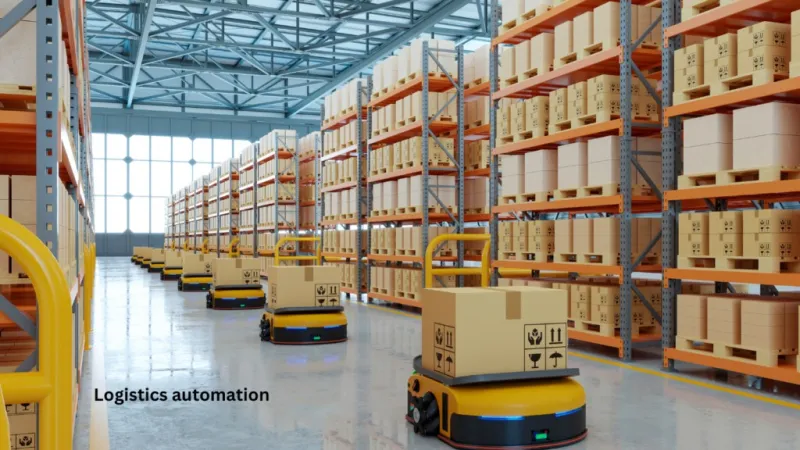
These warehouses are at the forefront of technology. The goal of logistics automation is simple – to make storage easier in the warehouse. These facilities are fully equipped with automated storage and retrieval systems (AS/RS) for pallets or boxes, conveyors, pallet stacker cranes, and Pallet Shuttle-run setups. The speed of logistics in these facilities is impressive, with robots efficiently moving goods to operators.
For example, pallet stacker cranes are directly connected to warehouse management software (WMS) and have telescopic forks to move pallets. These cranes move quickly through aisles, delivering pallets to designated platforms or internal transport systems.
Automated systems are designed to cut costs, speed up operations, increase safety, and improve the overall customer experience.
The difference between e-Logistics and Traditional Logistics
Let's take a look at the differences between e-Logistics (electronic logistics) and traditional logistics:
1 - Order Fulfillment:
- Traditional logistics: Relies on manual effort and basic communication methods (phone, email) to receive and process orders.
- E-Logistics: Uses automated processes through an Internet-based system to streamline order fulfillment.
2 - Process Efficiency:
- Traditional logistics: Involves time-consuming paper-based data recording with multiple data entries and tracking.
- E-Logistics: Features a one-time data upload that automatically populates integrated systems, allowing for automated status tracking.
3 - Error Rate:
- Traditional Logistics: Higher chance of errors and missing information, with limited visibility into time, quantity and cost.
- E-Logistics: Reduced errors through better visibility into product availability and upfront costs, including hidden fees and taxes.
4 - Data Updates:
- Traditional Logistics: Less frequent updates and communication between stakeholders.
- E-Logistics: Provide regular updates via email, SMS or web notifications, providing real-time package status.
5 - Payment Systems:
- Traditional Logistics: Use of conventional payment methods (cheques, cash) which can delay confirmation.
- E-Logistics: Enables secure online payments (UPI, net banking, e-wallets) with instant verification.
6 - Document Handling:
- Traditional Logistics: Involves manual handling of documents such as invoices and debit notes.
- E-Logistics: Provides a fully digital, paperless process, improving efficiency and enabling contactless operations.
7 - Suitability:
- Traditional Logistics: More suited to the B2B sector, focusing on high volume orders and cost efficiency.
- E-Logistics: Serves both B2B and B2C markets, facilitates direct delivery to individuals, focusing on customer experience.
8 - Technology:
- Traditional Logistics: Relies on legacy technology (telephone, fax, email) and management information systems.
- E-Logistics: Leverages modern technologies (IoT, RFID, GPS tracking, robotics, big data analytics) to improve operations.
In short, e-logistics significantly optimizes processes, reduces costs, and improves customer satisfaction compared to traditional logistics through automation and advanced technology.

How logistics automation works
Logistics automation makes things easier and updates information much faster than traditional methods, significantly increasing efficiency in the maritime supply chain.
- Real-time tracking:
Automated systems provide real-time data to all stakeholders, improving visibility and allowing shippers and logistics managers to accurately track delivery times, goods status, and inventory levels.
This helps companies make better decisions about routes and inventory. As a result, they can quickly adapt to changes and improve their overall performance.
- Faster response times:
Automation also makes supply chains more agile, allowing businesses to react faster to issues. These technologies can predict potential problems and adjust operations as needed.
Furthermore, automation improves key metrics in the maritime supply chain, such as on-time delivery, order accuracy, and cost savings. It reduces human error, increases data accuracy, and ensures timely updates.
Logistis automation creates more agile and responsive supply chains that can address global trade challenges while maintaining high service quality and cost standards.
Challenges shipper faces with manual Logistics systems
Manual logistics systems come with a number of challenges for shippers:
- Human error: Errors in data entry and slow updates can lead to errors, lost shipments, and delays.
- Inefficiency: Manual tasks slow down operations and extend delivery times.
- Limited scalability: Manual systems struggle to handle more shipments, requiring more labor and resources.
- Higher costs: More labor and errors lead to increased operating costs and financial losses.
- Poor supply chain visibility: Limited real-time tracking and information makes it difficult to manage disruptions.
- Ineffective communication: Manual communication can lead to delays and misunderstandings.
These challenges illustrate why automation is necessary to improve efficiency and reduce costs.

Benefits of automated logistics systems for shippers
Automation offers many advantages for shippers, including:
- Better supply chain visibility: Provides real-time tracking and updates, giving shippers full visibility and better decision making.
- Increased efficiency: Makes processes like freight handling faster, reducing delays.
- Cost savings: You can optimize your warehouse, including routing, and cut down on labor, reducing operating costs.
- Greater accuracy: Reduces human errors in data entry and documentation.
- Better risk management: Identify potential risks early, allowing for quick remediation before they impact the supply chain.
- Improved customer service: Increases on-time delivery rates and customer satisfaction.
Overall, these benefits show that automation can transform logistics operations, making delivery people more efficient.
How to automate logistics on a budget?
Logistics automation on a budget can be achieved through a number of strategies:
- Start small: Start with low-cost automation tools such as inventory management software and basic warehouse management systems that provide essential features without high upfront costs.
- Cloud solutions: Use cloud software to avoid expensive hardware investments and maintenance costs while still benefiting from scalability.
- Prioritize your needs: Identify the most important areas for automation in your logistics operations and focus your budget on those areas.
- Leverage existing technology: Take advantage of existing systems and integrate them with new automation tools to maximize efficiency without significant investment.
- Train and upskill: Invest in training your current employees to effectively use automation tools, rather than hiring new employees.
- Outsource wisely: Consider partnering with third-party logistics providers that offer automated solutions, allowing you to leverage their technology without a significant investment.
Conclusion
Logistics automation is reshaping the industry by increasing efficiency, reducing costs, and improving customer satisfaction. Adopting these innovations is critical to staying competitive.
The future of logistics automation looks promising, driven by advances in technology such as artificial intelligence, robotics, and the Internet of Things (IoT). Companies are increasingly adopting automated systems to improve efficiency, reduce costs, and increase supply chain visibility.
