


The role of industrial production in the economy
20-07-2025 601
The role of industrial production in the economy is becoming increasingly important as it contributes greatly to GDP growth, job creation and export promotion. Through the application of technology, automation and modern production lines, the industry not only improves productivity but also creates momentum for the process of economic restructuring, meeting the needs of sustainable development and international integration.
Mục lục
What is the definition of industrial production?
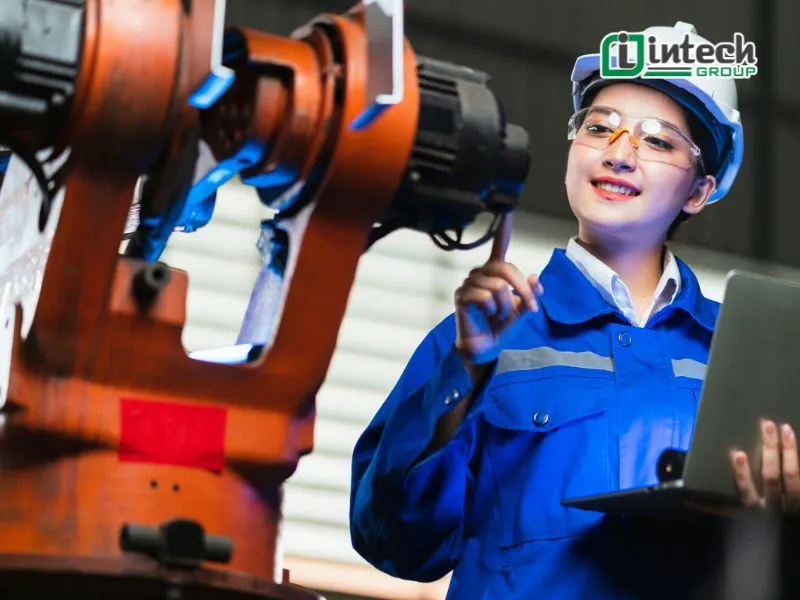
Industrial production is the process of using modern machinery, equipment and technology to produce goods in large quantities to serve consumer needs, export or supply to other manufacturing industries. The basic characteristics of industrial production are large scale, chain nature, high automation and the ability to apply scientific and technological advances to optimize productivity, quality and production costs.
The role of industrial production in the economy
Industrial production is not only a pillar in the economic development process but also the main driving force helping many countries to grow strongly. The outstanding roles of the industrial production industry in the current economy:
- Driving force for GDP growth and national economic development
Industrial production is an important contributor to the gross domestic product (GDP) of each country. When production capacity is improved, production scale is expanded, and added value from industries will lead to synchronous development in many other areas such as services, transportation, and trade. This is the reason why industry is always considered one of the key industries that need priority investment.
- Creating jobs and increasing income for workers
Industry opens up millions of job opportunities for unskilled workers to highly skilled workers. From industrial parks, export processing zones to large factories, the workforce is well-trained, has stable income and working conditions are increasingly improved. This contributes significantly to reducing unemployment and improving people's quality of life.
- Promoting exports and increasing foreign exchange earnings
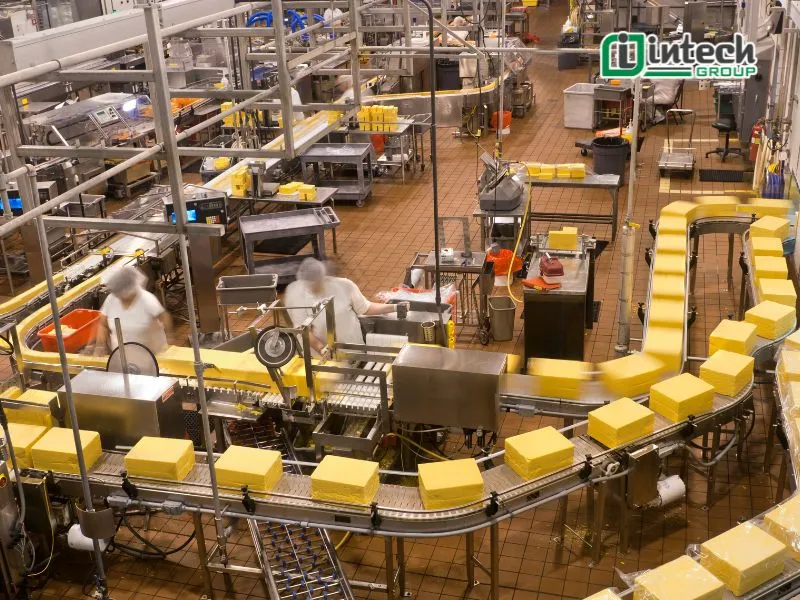
Industrial products, especially processing and manufacturing industries, are the main export group of many developing economies. Exporting industrial goods not only helps increase foreign currency revenue but also contributes to balancing the national trade balance, reducing dependence on imports.
- Promoting economic restructuring towards modernization
Industrial production plays a leading role in the process of economic restructuring, from the traditional agricultural model to industry and services. When the industry develops, other areas such as logistics, finance, trade and services will also develop, helping the economy operate more efficiently and modernly.
Promoting technological innovation and application of scientific and technical advances
Technology is the core driving force that helps the industry increase productivity and product quality. The process of automation and digitalization in production is being strongly applied by many businesses, thereby improving competitiveness, reducing production costs and meeting increasing market demand.
- Contributing to infrastructure development and urbanization
As industrial zones grow, the demand for transport, energy and telecommunications infrastructure also increases. This development leads to rapid urbanization, promoting the construction of residential areas, service systems and social utilities, creating a new socio-economic appearance for many localities.
In general, during the renovation period, industrial production has maintained a high and stable growth rate. On average, over two decades (from 1986 to 2005), the industrial sector grew by about twelve percent per year, nearly double that of the previous period.
In particular, during the strategic period from 2011 to 2020, industry became the economic sector with the most impressive growth rate, contributing nearly thirty percent to the national GDP and playing the role of a key export sector. Thanks to that, Vietnam has risen strongly, from a low ranking in the world's export countries to approaching the top twenty countries.
Challenges and requirements for the industry today
In addition to positive contributions, the industrial production sector is also facing many major challenges that require synchronous solutions from businesses to state management agencies.
Environmental pressure and sustainable development
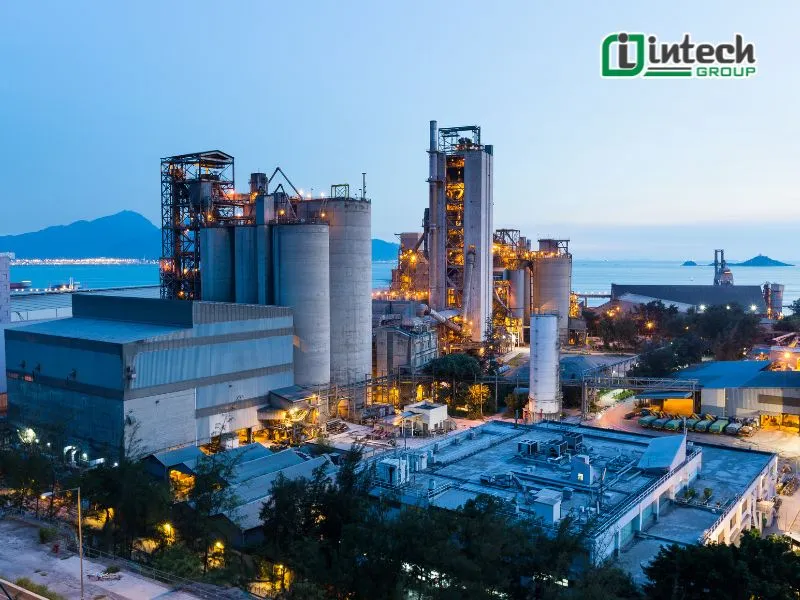
The industrial production process consumes a lot of energy and natural resources, while generating large amounts of emissions, wastewater, and solid waste. This poses an urgent need for pollution control, carbon emission reduction, and the application of cleaner production technology. Moving towards a green, environmentally friendly production model is becoming a mandatory trend.
Demand for technological innovation and digital transformation
In the context of the 4.0 industrial revolution, manufacturing enterprises cannot forever rely on cheap labor and traditional production models. However, currently, the majority of enterprises in our country's industrial sector are still operating with outdated technology, several generations behind the world average. The capacity for technological and production autonomy is still weak, heavily dependent on foreign-invested enterprises. However, the ability to transfer advanced technology from the FDI sector to domestic enterprises still faces many barriers and has not achieved the expected efficiency.
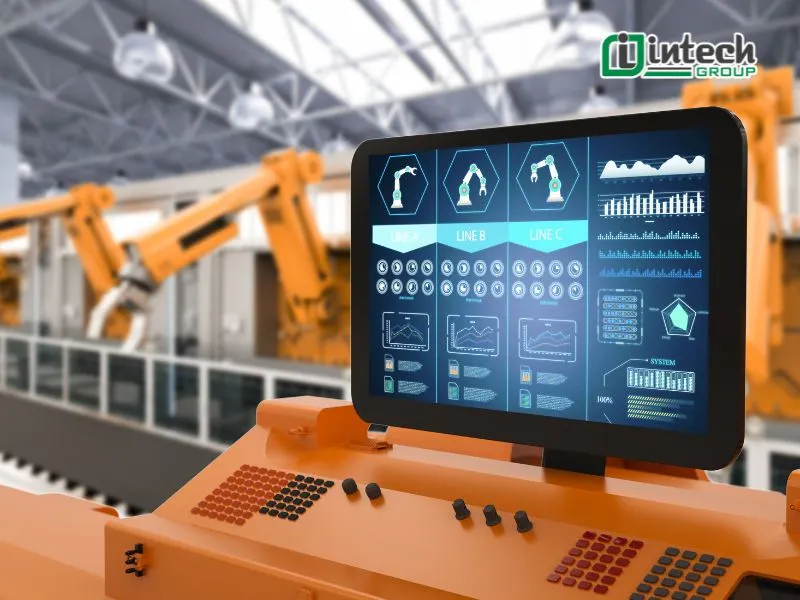
The pressure to innovate technology, invest in automation, apply artificial intelligence, and IoT to the production process is becoming a vital factor to maintain competitiveness in the domestic and international markets.
Short of high-quality human resources
Although the demand for human resources in the industrial sector is very large, the source of high-quality labor, knowledgeable about technology and with professional skills is still limited. Training and developing human resources to meet modern production requirements is a difficult problem for many businesses, especially small and medium-sized enterprises.
Pressure from international economic integration
Participation in free trade agreements brings many opportunities but also comes with great challenges in terms of competition. Vietnamese industrial products face competitive pressure from imported goods, increasingly strict quality standards and requirements for certification of origin and sustainable production processes.
Market fluctuations and supply chain risks
Global markets fluctuate unpredictably due to epidemics, trade wars or economic crises, causing many manufacturing enterprises to experience disruptions in the supply chain of raw materials and equipment. To cope, businesses need to strengthen their risk management capacity, diversify their supply sources and build more flexible and sustainable supply chains.
Supporting industries have not yet developed
Supporting industries in our country have not yet received due attention. The current capacity of this industry only meets a very small part of domestic demand, mainly focusing on the production of simple components and details with low value in the total product structure.
Regional linkages in industrial development are still weak, not creating close and effective links between localities. Industrial development space is still divided by administrative boundaries, lacking coordination and reasonable division of labor between regions. In addition, the connection between the industrial sector and other economic sectors, especially agriculture, is still fragmented, lacking cohesion along the value chain.
From the above analysis, it can be seen that the role of industrial production in the economy is extremely large, from contributing to GDP growth, creating jobs for workers, promoting exports to supporting the modernization process and infrastructure development. However, the industry is also facing many challenges that require innovation and flexible adaptation. If your business is looking for solutions to improve production efficiency, optimize automation lines and improve technology, do not hesitate to contact hotline 0966 966 032 for detailed and timely advice.
