


What is AMR Mobile Robot? A Detailed Guide to AMR Robot
17-08-2025 567
AMR mobile robots use sensors and AI to navigate dynamically, adapting to changes and obstacles in real time, suitable for flexible and diverse tasks.
Mục lục
Autonomous Mobile Robots (AMRs) navigate and make real-time decisions using advanced sensors and intelligent software. Unlike Autonomous Guided Vehicles (AGVs) that follow fixed paths, AMRs adapt to dynamic environments, making them ideal for applications in warehousing, manufacturing, logistics, and more.
What are AMR Robots?
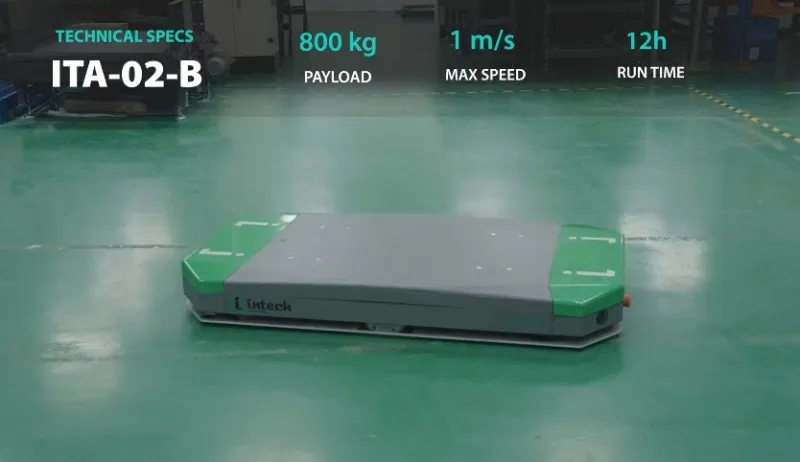
AMRs (Autonomous Mobile Robots) are intelligent machines designed to operate autonomously in dynamic environments. They stand out from traditional robots with their autonomous navigation and real-time decision-making capabilities, supported by advanced sensors and software. Unlike fixed-track industrial robots, AMRs are able to adapt and modify their routes and tasks as needed, increasing their versatility for applications in dynamic environments.
How do AMR Robots work?
The core of AMRs is their ability to operate autonomously, meaning they can navigate and perform tasks without human intervention. The main driving force behind their autonomy is the integration of advanced sensors and intelligent software.
How AMR mobile robots work:
- Sensory perception:
AMRs are equipped with a variety of sensors, including light detection and ranging (lidar), cameras, GPS, and machine learning algorithms. These sensors serve as the robot's sensing engine, allowing the robot to perceive its environment in real time. For example, lidar sensors provide a 360-degree view of its surroundings, while cameras collect visual data.
- Data collection:
These sensors continuously collect data about the robot's surroundings. This data includes information about obstacles (known as obstacle avoidance and collision avoidance), landmarks, and the robot’s own position in its environment. This real-time data collection is the foundation for the robot’s ability to make informed decisions.
- Intelligent decision making:
The collected sensor data is processed by the onboard computer hardware, which includes a high-performance processor and memory. The real magic happens in the form of control algorithms, software that interprets the sensor data, calculates the optimal path, and controls the robot’s movements. These algorithms allow the AMR to make real-time decisions, adapt to changes in its environment, and navigate efficiently.
- Navigation and drive:
Navigation systems, often integrated with GPS, help the AMR determine its exact location and plan its route. Robotic movements are performed by mechanical components, such as wheels or tracks, called actuators. These actuators allow the robot to navigate its environment and perform assigned tasks.
In short, AMRs operate autonomously by perceiving their environment through advanced sensors, processing the collected data using intelligent software algorithms, and performing actions through mechanical actuators. This combination of sensory perception, data processing, and intelligent decision-making is what drives their autonomy and allows them to operate effectively in dynamic environments.
Advantages and disadvantages of AMR robots in warehousing operations
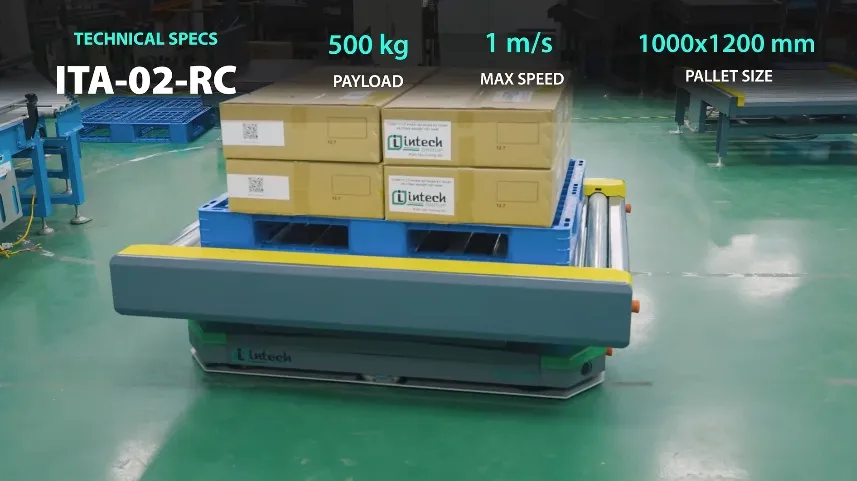
AMRs are making their mark in various industries, bringing with them a variety of advantages and challenges. For a balanced perspective, let’s dive into the advantages and disadvantages of AMRs in warehousing operations and explore when they are the right choice and when they can pose challenges.
1 - Advantages of AMR Robots:
Retail Replenishment: AMRs can be particularly useful for retail replenishment applications where stores require similar SKUs at the same time.
+ Cost Savings:
AMRs offer the potential for cost savings as companies optimize their operations. By minimizing errors and potentially reducing labor costs, businesses can realize financial benefits. Efficient resource allocation and supply chain optimization are additional areas for potential savings.
+ Improved Safety:
If appropriate safety measures are in place, AMRs can contribute to improved workplace safety by handling dangerous or repetitive tasks, reducing the risk of accidents and injuries. By automating these tasks, workers can be freed from physically demanding or dangerous responsibilities.
+ Flexibility:
AMRs are highly mobile and do not require physical installation. However, this also implies a need for more space.
2 - Challenges and limitations of AMR mobile robots:
+ Technical limitations:
AMRs face technical limitations that may hinder their widespread adoption. These include challenges related to battery life, sensor accuracy, and adaptability to unstructured environments. Addressing these limitations is critical to exploiting their full potential.
+ Dust:
As mentioned above, AMRs rely on sensors, cameras, and other navigation technologies to navigate and perform tasks in their operating environments. Operating on the floor at all times, these systems can be disrupted by dust and particulate matter, potentially leading to inefficiencies and downtime.
+ Traffic Jams:
Scaling and managing a large fleet of AMRs operating autonomously on the warehouse floor requires highly sophisticated software and ongoing maintenance. The larger the fleet, the greater the likelihood of traffic jams, potentially stopping operations.
+ Regulatory Barriers and Standards:
Overcoming regulatory barriers and establishing standards for safety and interoperability are critical to the responsible integration of AMRs. Ensuring that AMRs operate safely and efficiently requires collaboration among stakeholders.
Increased Space Requirements: For storage and pick/drop operations, AMRs require significantly more space than other robotic systems. For example, compared to a cube storage robotic system, they require up to 300% more space.
+ Safety and Security:
As AMRs become an integral part of everyday operations, protection against potential risks such as hacking or misuse is essential. Ensuring safe operation is an important consideration when deploying them. AMRs have collision avoidance and obstacle avoidance capabilities that allow them to stop automatically if something is blocking their path. However, they operate autonomously and are often in the same environment as humans, making safety measures and employee training necessary.
When Are AMR Robots a good choice for warehouse operations?
When evaluating whether to adopt AMR robots for your warehouse operations, you should consider the following specific factors:
- Use AMR Robots for warehousing operations when:
- Variable Workloads: AMRs offer flexibility, making them ideal for warehouses with variable workloads. They can be deployed or scaled down as needed, in response to changes in demand.
- Repetitive Tasks: AMRs are well-suited for repetitive tasks that are prone to human error, such as material handling, sorting, and replenishment.
- Avoid Conveyors: Installing conveyor technology is a commitment and implies predictability in future operations. AMRs can take over the role of conveyors and bring more flexibility to operations.
- AMR Robots should not be selected when:
- Low Workload or Static Environment: If your warehouse has a low and steady workload or operates in a highly structured and static environment, the benefits of AMRs may not justify the initial investment. Furthermore, if you have a low SKU base with very little movement, they may not be a good fit. AMR robots often show value in eliminating long walks during the picking process.
- Complex Terrain or Unstructured Spaces: AMRs can face challenges in environments with complex terrain, narrow aisles, or highly unstructured spaces. In such cases, traditional material handling methods may be more appropriate. Additionally, if your warehouse lacks adequate Wi-Fi, AMRs will have difficulty operating efficiently.
- Regulatory or Safety Concerns: Industries with strict regulatory requirements or safety concerns may find it difficult to integrate AMRs. Ensuring compliance and safety standards can be a significant endeavor.
- Human interaction required: If your warehouse tasks involve frequent interaction between employees and the materials being handled, an AMR may not be the best fit. Human-operated equipment or processes may be required.
- High productivity: In general, AMR robots are not considered optimal for high-throughput fulfillment and are not suitable for high-throughput operations in small spaces. They are best suited to medium to low-throughput environments with high SKUs and moving areas.
Deciding on an AMR for your warehouse operations should be based on your specific business needs. AMRs are a valuable asset in situations that require flexibility and repetitive tasks. However, they may not be best suited for warehouses with complex terrain, strict regulations, high throughput, or tasks that require frequent human interaction. A thorough assessment of your warehouse’s unique requirements is essential to making the right choice.
Conclusion
AMR robots have significant potential to transform industries and shape the future of technology. Their versatility, efficiency, and benefits are clear, but they also come with their own unique challenges. The path to unlocking AMRs’ potential while addressing their limitations will impact the future of work and technology in our increasingly automated world.
