


What is Polyester PET Strapping? Everything You Need to Know
20-08-2025 376
Polyester PET strapping, also known as polyethylene terephthalate strapping, is a type of plastic strapping material used to secure and bundle goods during transportation and packaging.
Mục lục
In the world of packaging, durability, flexibility and cost-effectiveness are of utmost importance. PET strapping, derived from polyethylene terephthalate, has emerged as an important material in the packaging industry. These straps are known for their exceptional strength, durability and flexibility.
What is PET polyester strapping?
Polyester PET strapping, also known as polyethylene terephthalate strapping, is a type of plastic strapping material used to secure and bundle goods during transportation and packaging. It is made from polyester resin, a durable and strong material.
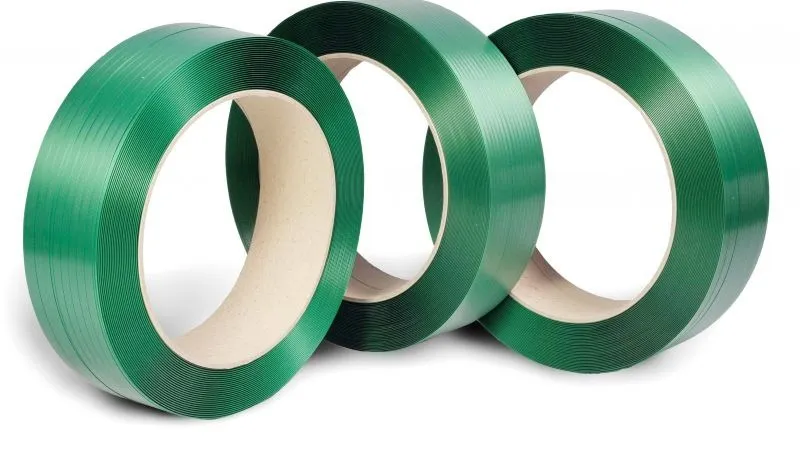
Effective PET Strapping for product packaging
How Does PET Polyester Strapping Work?
PET Polyester Strapping helps to secure packages or products securely and tightly. It ensures that the goods remain in place during transportation or storage. Let’s take a look at how strapping is done:
- To begin, make sure the items to be secured are arranged and positioned.
- A roll of Polyester Strapping is wrapped around the items to be secured. The strapping is typically wrapped tightly around the load multiple times to ensure a secure hold.
- Once the strapping is wrapped around the load, tension is applied to ensure the strapping is tight and secure. This can be done using a strapping tool or strapping machine designed for PET Polyester Strapping. This tool applies tension to the strapping, removing any slack and ensuring a tight fit.
- After applying tension, the PET Polyester Strapping is sealed to maintain its hold. There are several different sealing methods, depending on the specific strapping tool or machine being used. The most common methods include heat sealing or friction welding.
- After the strapping is sealed, the excess length of strapping is cut off with a strapping cutter or a sharp knife. Quality checks ensure that the strapping is properly tensioned and secured.
Benefits of Polyester PET Strapping:
- Polyester PET strapping is lightweight and easy to use, with excellent tensile strength. It is best for heavy loads and provides secure packaging.
- It maintains tension over time. This prevents goods from shifting or loosening during transportation.
- Unlike metal strapping, PET strapping is not susceptible to rust or corrosion, making it suitable for outdoor and wet environments.
- PET strapping is safer to handle than steel strapping as it is less likely to cause injury due to sharp edges or breakage.
- It is recyclable and has a reduced impact on the environment. It contributes to a more sustainable and eco-conscious packaging process.
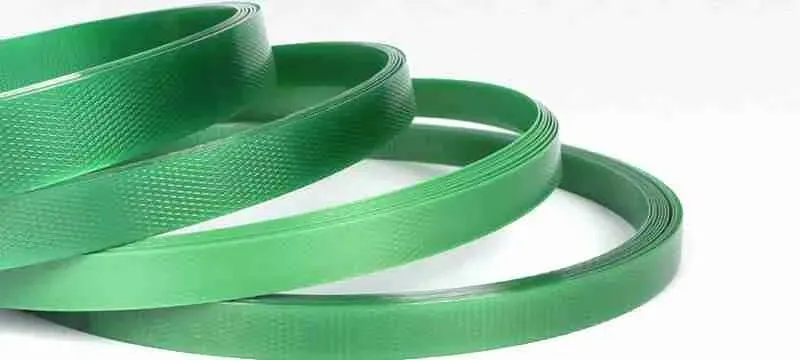
PET strapping is generally more affordable than steel strapping.
Durable PET Strapping for any work environment
Factors to Consider Before Choosing Polyester PET Strapping:
- You need to consider the weight and size of the load you need to secure to ensure adequate strapping strength.
- You need to evaluate the environmental conditions during transportation such as temperature, humidity or UV exposure to choose a strap with the right resistance properties.
- Check compatibility with your existing strapping tools and machinery to ensure seamless integration.
- Different industries may have specific regulations or requirements for packaging and securing goods. You need to ensure that the strapping you choose complies with the necessary standards.
Applications of PET Strapping
- PET straps are widely used in heavy industries. The strength and durability of PET straps make them indispensable for securing machinery, equipment and other important items.
- Packages have to travel long distances and endure various handling processes in the logistics and transportation industry. PET strapping can withstand the challenges of transportation. Additionally, due to its lightweight nature, it is the best choice for securing goods.
- The construction industry benefits from the versatility of PET strapping in bundling and securing construction materials such as wood, pipes, or other necessary construction materials.
- Packaging industries use this strapping for packaging lines to increase production efficiency.
Comparing PET Straps with other naterials
- PET Strapping vs. Steel Strapping: PET straps are rust-resistant, lighter in weight, and easier to dispose of. This makes them an efficient and environmentally friendly choice.
- PET Strapping vs. Nylon Strapping: PET straps are a cost-effective solution with high tensile strength compared to nylon straps. The environmental impact of PET straps is also low.
How to Store PET Straps to extend their life
Here are some steps to ensure the longevity of your PET strap by proper storage and care:
- Ensure indoor storage in a clean, dry environment, away from direct sunlight and extreme temperatures.
- Avoid exposure to chemicals and maintain proper ventilation to prevent moisture build-up.
- Store on pallets or racks and avoid placing heavy objects on top.
- Check regularly for damage, clean with a mild detergent when necessary, and handle with care during storage and use.
- Avoid over-tensioning during the strapping process and follow the manufacturer’s recommendations for tool maintenance. Replace damaged strapping to maintain the integrity of the packaging.
Conclusion
Polyester strapping is a great cost-effective solution for securing and packaging a variety of goods. Its durability, strength, and flexibility are what make it the best for packaging. It is important to note that although polyester strapping offers many benefits, it may not be suitable for all applications.
Choosing PET strapping is a step towards a more sustainable and cost-effective packaging process. It is best suited for packages with sharp edges, making it a top choice for heavy-duty products such as wood, metal, and cardboard such as cartons.
