


What is precision machining? Why is precision important in machining?
19-08-2025 524
Precision machining plays an important role in today’s manufacturing world, helping to create detailed and accurate parts for a number of industries such as aerospace, automotive, and medical devices.
Mục lục
But what is precision machining and why is it so important? This article will break down the essentials of precision machining, highlighting the benefits, capabilities, and step-by-step process involved.
What is precision machining?
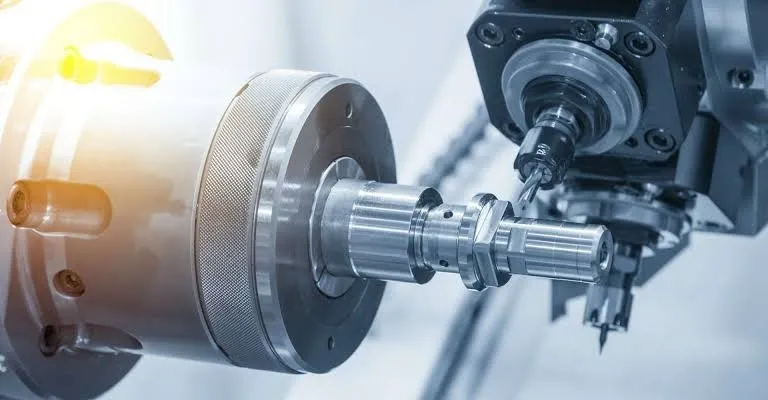
Precision machining is a highly specialized process used in manufacturing to create parts with precise dimensions and high tolerances. The process uses advanced machinery and techniques to remove material from a workpiece, creating a finished product that meets strict specifications. Precision machining is essential in industries where accuracy and consistency are critical, such as aerospace, automotive, medical devices, and electronics.
The process involves the use of machinery, such as CNC (Computer Numerical Control) machines (the most commonly used today), which are controlled by complex computer software. These machines are capable of removing material from a workpiece with incredible precision, typically measured in micrometers.
Why is precision important in machining?
Precision in machining is essential for a number of reasons that affect both the functionality and overall success of the manufacturing process.
- The foundation for superior quality and reliability
Precision machining ensures that each part meets strict specifications, resulting in consistently high quality. This reliability is critical in industries where the performance of each part can significantly impact the entire system. For example, in the medical device industry, precision is required to ensure that implants and surgical instruments function accurately and safely.
- Perfect fit and optimal efficiency
Precision machining ensures that parts fit together perfectly and function as intended. This precision reduces the need for manual adjustments or rework, which can be time-consuming and costly. When parts fit together seamlessly, it improves the durability and performance of the product, reducing the risk of mechanical failure.
- Ensuring maximum safety for every product
In fields such as automotive and aerospace, safety is paramount. Precision machining helps produce parts that comply with strict safety standards, ensuring that products such as car engines or aircraft components operate safely in harsh conditions. Any deviation from the specified dimensions can lead to serious damage, making precision essential.
- Increasing cost efficiency and optimizing profits
Achieving high precision in machining reduces material waste and improves production efficiency. Precision machining reduces the production of defective parts, saving costs associated with scrap and rework. Additionally, the ability to produce parts correctly the first time shortens production cycles and increases overall productivity.
- The key to innovation and disruption in every industry
The ability to create complex and intricate designs with high precision drives innovation in many different industries. CNC precision machining enables the creation of advanced products with enhanced features and functions, supporting the development of advanced technologies. For example, in the electronics industry, precision machining enables the production of small, complex parts needed for modern equipment.
- Enhanced longevity and performance for every product
Precision machining contributes to the longevity and performance of the final product. Parts that are machined to high precision will wear less, operate more smoothly, and have a longer service life. This is especially important in high-stress environments where parts are subjected to significant mechanical or thermal stress.
.jpeg "precision machining")
What are the capabilities of precision machining?
Precision machining offers many capabilities that make it an essential process in modern manufacturing. Here are some of the key capabilities of precision machining:
- High precision and tolerance control
Precision machining can achieve extremely tight tolerances, often in the micrometer range. This high level of precision ensures that parts meet exacting specifications, which is important for applications that require high precision, such as medical devices and aerospace.
- Complex Geometry Design
The advanced capabilities of CNC machines allow for the creation of complex geometries and designs that are difficult or impossible to achieve with manual machining. This includes complex curves, detailed features and multi-faceted shapes, allowing for innovative product designs.
- Versatile machining capabilities on a wide range of materials
Precision machining is versatile in the types of materials it can work with. This includes metals such as aluminum, steel, titanium, and brass, as well as plastics, composites, and ceramics. This versatility of materials makes precision machining suitable for a wide range of industries and applications.
- Multi-Axis Machining
CNC machines used in precision machining typically operate on multiple axes, typically three to five, and even more on some advanced machines. Multi-axis machining allows for more complex cuts and the ability to machine parts from multiple angles in one setup, improving efficiency and accuracy.
- Surface Finishing
Precision machining can produce excellent surface finishes, often eliminating the need for additional finishing processes. High-quality surface finishes are achieved through careful control of machining parameters and the use of specialized cutting tools, which is essential for parts that require a smooth surface finish for aesthetic or functional reasons.
- Prototyping and Production
Precision machining is suitable for both prototype and large-scale production. It allows for rapid production of prototypes for testing and validation, as well as efficient production of large-scale production runs. This flexibility allows manufacturers to move quickly from concept to production while maintaining quality and consistency.
- Customization and Adaptability
Precision machining services offer a high level of customization, allowing the production of parts that meet specific customer requirements. This adaptability is important for industries that require customized solutions, such as specialized medical devices or bespoke aerospace components.
- Automation and repeatability
The use of CNC technology in precision machining ensures a high level of automation and repeatability. Once the CNC program is set up, the machine can produce identical parts with minimal variation, ensuring consistency in large production runs. This repeatability is essential to maintain quality standards and meet regulatory requirements.
- Efficient material use
Precision machining is designed to maximize material use, reduce waste and reduce material costs. The ability to precisely control the cutting process means that only the necessary material is removed, which is both cost-effective and environmentally friendly.
- Integration with CAD/CAM
Precision machining integrates seamlessly with CAD (Computer Aided Design) and CAM (Computer Aided Manufacturing) software. This integration allows for the direct conversion of digital designs into physical parts, streamlining the manufacturing process and reducing the possibility of errors.
What is the precision machining process?
The precision machining process involves several detailed steps, each of which is important to achieving the high levels of accuracy and quality required for precision parts. Here is a breakdown of the typical stages involved in precision machining:
- Design and planning
The precision machining process begins with the creation of a detailed design using Computer Aided Design (CAD) software. This digital design specifies the dimensions, tolerances, and surface finishes required for the part. Once the design is finalized, it is converted into a set of instructions using Computer Aided Manufacturing (CAM) software, which generates the tool paths and machine code required for CNC machining.
- Material Selection
Selecting the right material is essential for precision machining. The material must meet the mechanical properties required for the application, such as strength, hardness, and thermal stability. Common materials used in precision machining include metals (e.g., aluminum, steel, titanium), plastics, composites, and ceramics.
- Set-up and Calibration
The next step is to set up the CNC machine. This involves fixing the workpiece material on the machine’s worktable or in a chuck. The cutting tools are then mounted in the machine’s tool holder. Calibration is important to ensure that the machine’s coordinates match the digital design, ensuring accurate cutting paths and dimensions.
.jpg "Gia công chính xác")
- Machining Operations
- The core of the precision machining process consists of various machining operations, which may include:
- Milling: A rotating cutting tool removes material from a workpiece to create flat surfaces, slots, holes, and complex geometries.
- Turning: The workpiece rotates while a stationary cutting tool removes material to create cylindrical shapes.
- Drilling: A rotating drill creates precise holes in the workpiece.
- Grinding: An abrasive wheel removes material to achieve a high surface finish and precise dimensions.
- A CNC machine follows programmed tool paths, performing these operations with high precision and repeatability.
- Coolant
During the machining process, coolants are often used to reduce heat and friction, which can affect the accuracy and quality of the part. Coolants also help extend the life of cutting tools and improve surface finish by removing chips and debris from the cutting area.
- Inspection and Quality Control
Once machining is complete, the part undergoes a thorough inspection and quality control process to ensure that it meets the specified dimensions and tolerances. This may involve the use of precision measuring tools such as calipers, micrometers and Coordinate Measuring Machines (CMMs). Any deviations from specifications are identified and corrective actions are taken if necessary.
- Finishing Operations
Depending on the application, additional finishing operations may be required to achieve the desired surface quality or aesthetic appearance. These operations may include polishing, anodizing, coating or heat treatment.
- Assembly and Testing
For parts that are part of larger assemblies, precision machining may be performed following the assembly process. The assembled parts are then tested to ensure they function correctly as a unit. This step is critical for applications in industries such as aerospace and medical devices where reliability and performance are paramount.
- Final Inspection and Delivery
Before the final product is delivered to the customer, it undergoes a final inspection to ensure it meets all quality standards and specifications. This step ensures that the parts are ready for use in their intended applications without any further modifications.
Intech Group - Leading Precision Machining Partner
Precision machining is an essential process in modern manufacturing, enabling the production of complex and highly accurate parts in a variety of industries. By leveraging advanced CNC technology and skilled expertise, precision machining services deliver unparalleled accuracy, efficiency, and flexibility.
Whether you need custom parts for the aerospace, automotive, medical or electronics industries, choosing the right precision machining service provider will ensure that you receive parts that meet the highest standards of quality and precision.
For high-quality and reliable precision machining services, trust Intech Company. We have a team of experienced engineers and modern cooling systems, committed to providing optimal cooling solutions for every precision machining application.
Contact us now for detailed advice and quotation!
- Hotline: 0966 966 025
- Address: Lot 6, Lai Xa Industrial Cluster, Tay Tuu Ward, Hanoi City
